




News
Hydrogen Inverter: Core Equipment for Clean Energy Conversion, Sunny Power and Other Enterprises Promote Technical Innovation and Market Landing
Hydrogen Inverter: Core Equipment for Clean Energy Conversion, Sunny Power and Other Enterprises Promote Technical Innovation and Market Landing
Driven by the global carbon neutrality target, hydrogen energy, as a zero-carbon energy carrier, is accelerating from industrial layout to large-scale application. Among them, Hydrogen Inverter, as the ‘heart’ of hydrogen fuel cell power generation system, has become the key link to integrate hydrogen energy into the power grid, transport, industry and other fields through high-efficiency DC-AC conversion technology. Recently, a number of companies have made breakthroughs in the field of hydrogen inverters, promoting the process of clean energy transformation.
Technological breakthroughs: efficiency and stability of both
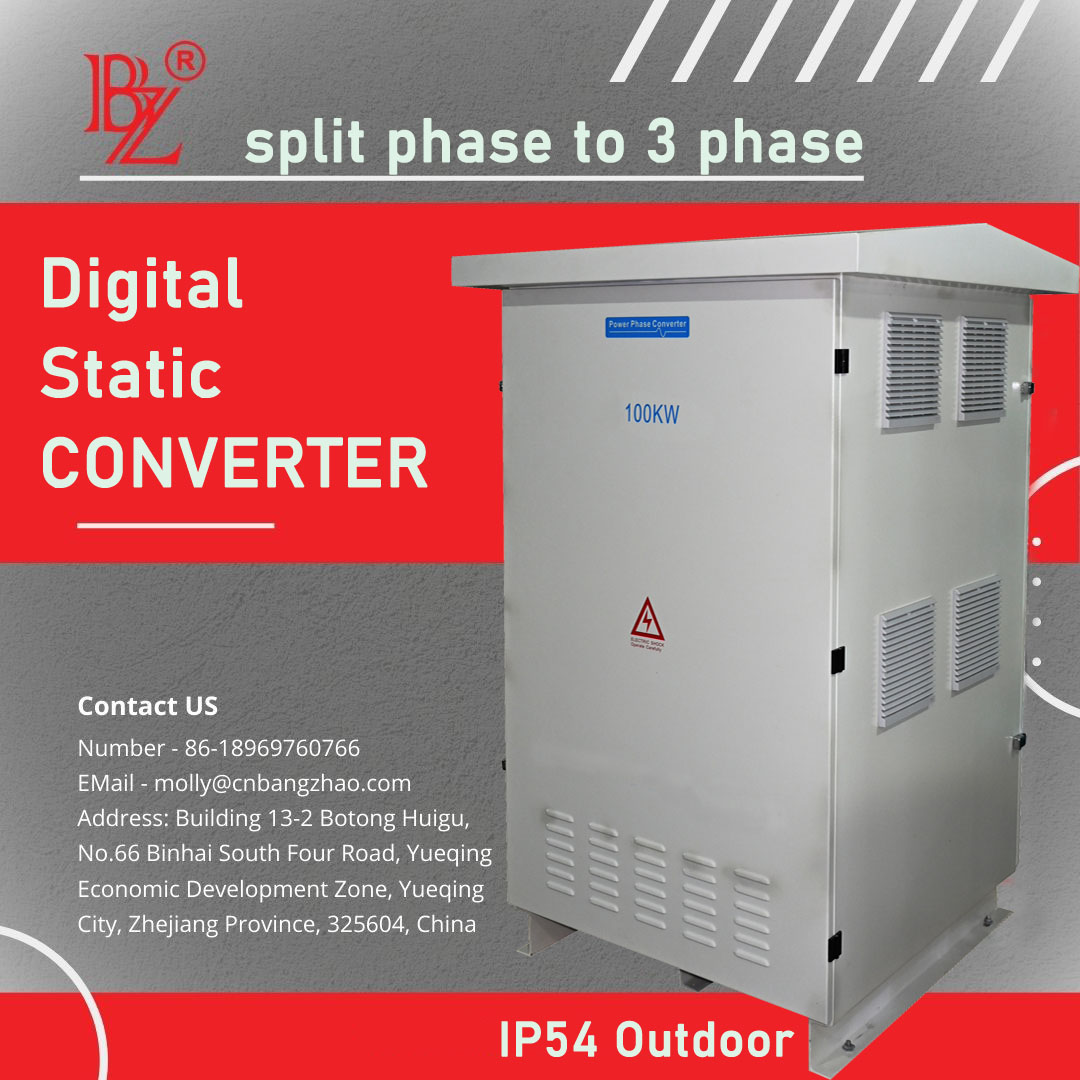
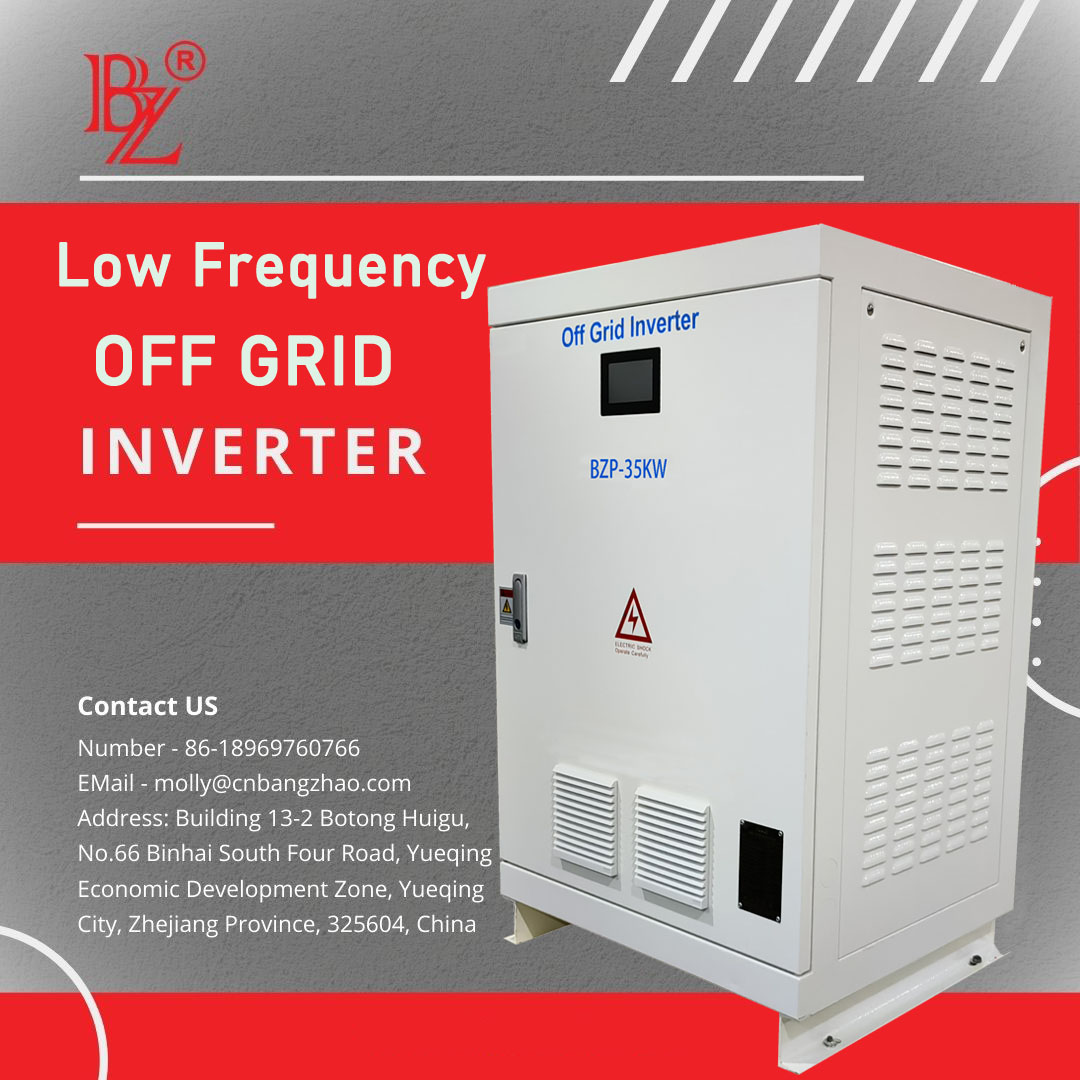
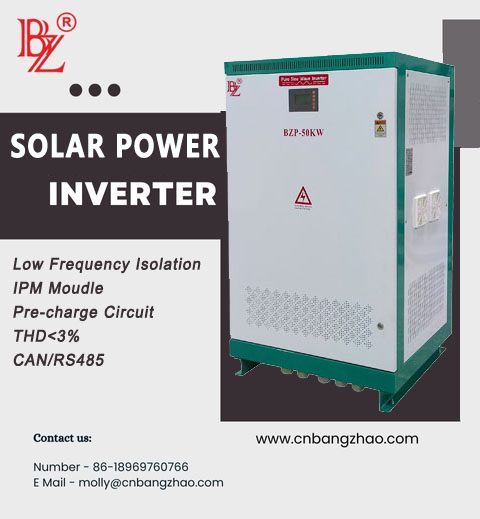
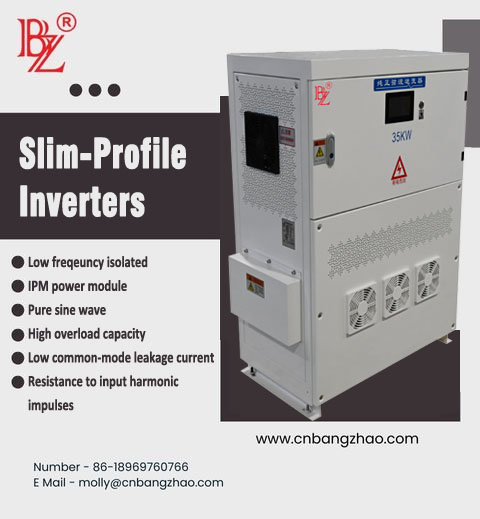
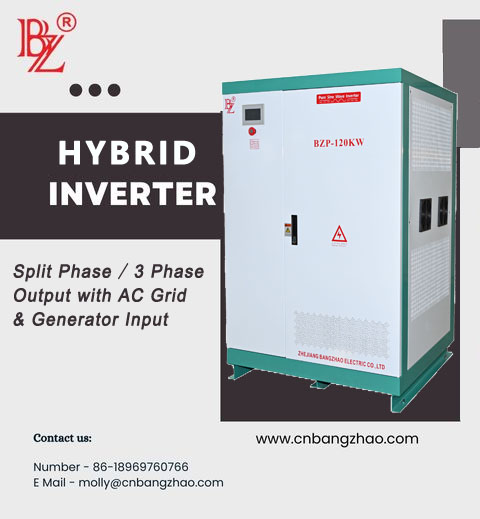
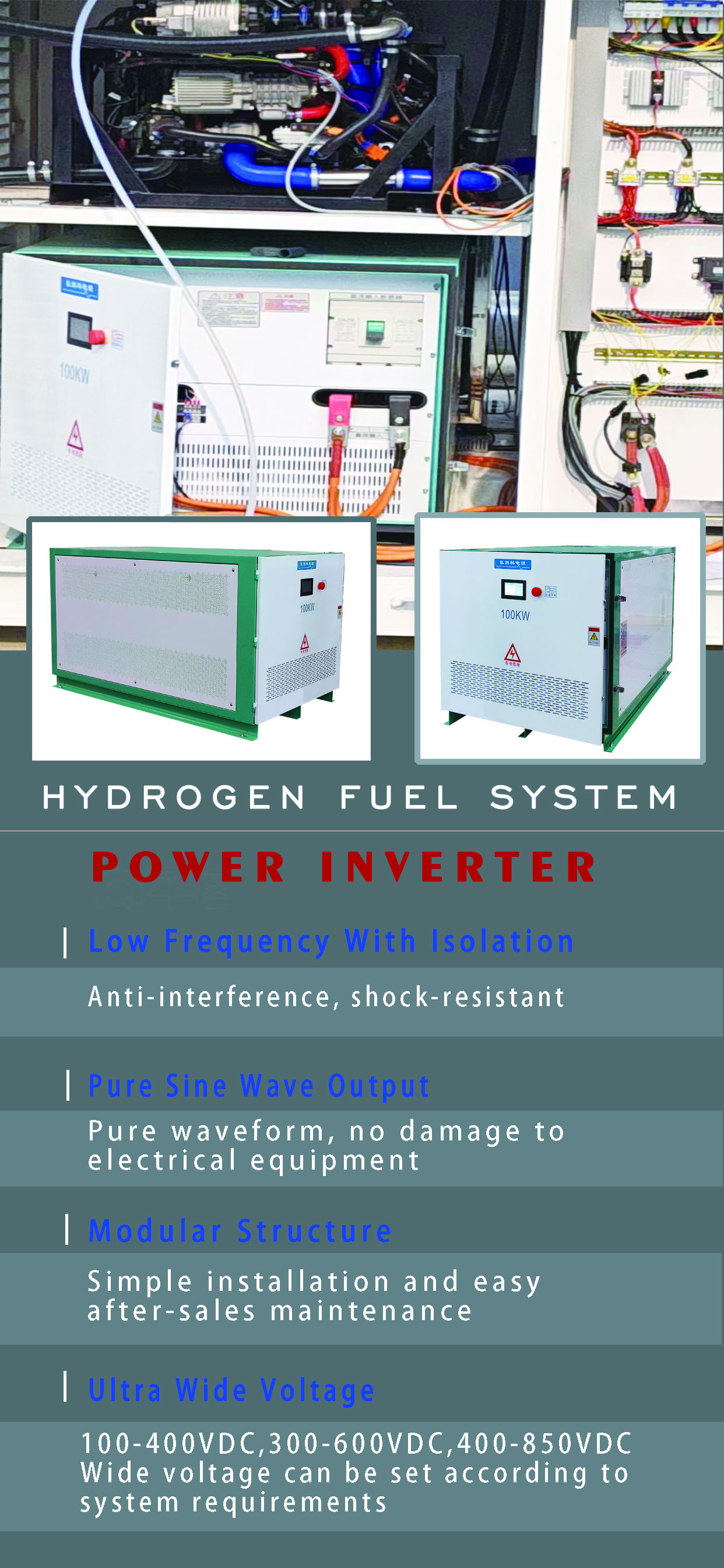
Hydrogen inverters use advanced power electronics technology to convert DC power generated by hydrogen fuel cells into stable AC power, and their conversion efficiency directly affects the economy and reliability of hydrogen power generation. Currently, the conversion efficiency of mainstream hydrogen inverters has exceeded 92%, and some companies optimise the topology and control algorithms to raise the efficiency to more than 95%. For example, dBangzhao Electric has launched an industrial frequency off-grid hydrogen inverter, with an overall conversion efficiency of 92%, a wide voltage input range and multiple protection functions, which can be adapted to the needs of distributed power generation, emergency power and other scenarios.
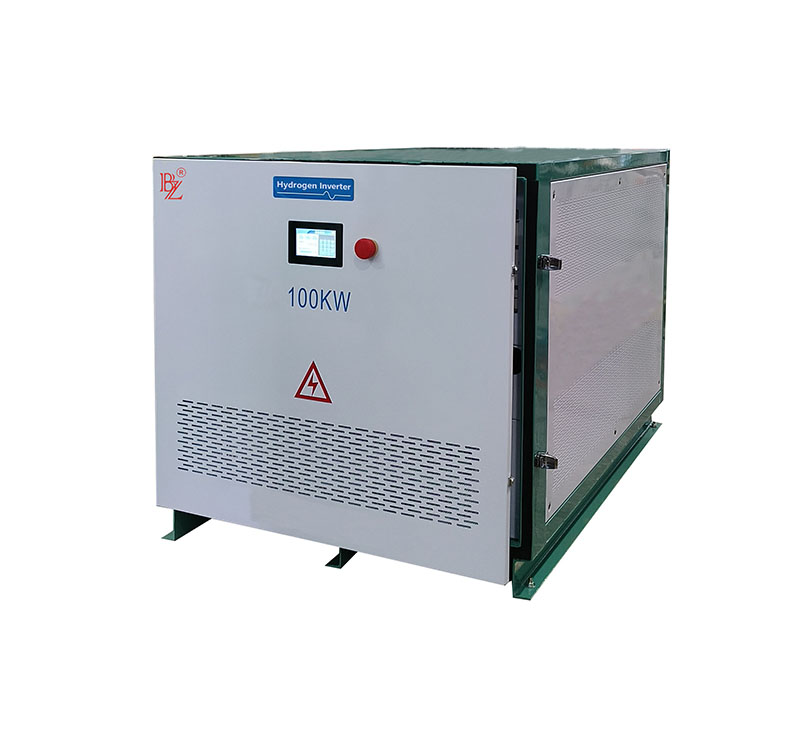
In terms of stability, hydrogen inverter needs to cope with the challenges of hydrogen fuel cell output power fluctuation and grid harmonic interference. The electromagnetic compatibility (EMC) optimisation of the hydrogen UAV inverter's power regulation PID control module solves the problem of radiation emission generated by high-frequency switching through multi-stage filtering, PCB layout improvement and shielding structure enhancement, ensuring stable flight of the UAV in complex environments. This technological breakthrough provides reliable support for emerging fields such as hydrogen drones and mobile power supplies.
Market application: multi-scene landing to accelerate the decarbonisation process
The application scene of hydrogen inverter is expanding from single power generation to diversification, covering the fields of transport, industry and construction:
Transportation field: hydrogen drones, hydrogen fuel cell vehicles and other mobile equipment for inverter lightweight, high efficiency requirements are extremely high. For example, hydrogen drone inverters need to achieve high power density conversion in limited space, while meeting electromagnetic compatibility standards to ensure flight safety.
Distributed power generation: In scenarios such as homes and factories, hydrogen inverters work in tandem with fuel cells and Energy Storage Systems to build microgrids. ENE-FARM, a home fuel cell, converts hydrogen energy into AC power through a hydrogen inverter and recovers waste heat for heating, realising comprehensive energy utilisation. Currently, the system has covered hundreds of households in Foshan, Guangdong.
Industrial decarbonisation: High-energy-consuming industries such as steel and chemical industries are replacing traditional fossil energy sources by integrating green hydrogen hydrogen systems with hydrogen inverters. For example, China Baowu Iron & Steel adopts a high current density hydrogen power supply in its hydrogen-based ironmaking project, and combines it with BONZO's hydrogen inverters to achieve a stable power supply and promote decarbonisation of the process.
Enterprise Dynamics: Head Enterprises Lead Technology Iteration and Capacity Expansion
Sunshine Power: As a global pv inverter leader, Sunshine Power laid out its hydrogen business as early as 2016, and its subsidiary, Sunshine Hydrogen Energy, has become a leader in the domestic hydrogen production industry. Sunshine hydrogen energy independent research and development of PWM hydrogen power supply and flexible hydrogen system, can be adapted to photovoltaic, wind power fluctuations, to achieve ‘load with the source of action’. 2023, sunshine hydrogen energy to complete the round of A round of financing, and won the bidding of Ordos, Daan and other green hydrogen project, hydrogen power installed scale in the industry leader.
Panasonic: Panasonic promotes hydrogen energy into millions of households and industries through its household fuel cell ENE-FARM and factory-grade pure hydrogen fuel cell systems. Its Kusatsu plant employs 99 units of 5 kW pure hydrogen fuel cells to provide power in a coordinated manner, with an inverter efficiency of more than 92% and an annual carbon reduction of more than 1,000 tonnes.
Emerging forces: Nanke Electronics and other companies focus on the hydrogen inverter segment and enhance product competitiveness through EMC optimisation, intelligent control and other technologies. For example, its hydrogen energy UAV inverter module meets aviation-grade EMC standards through radiation emission rectification, providing solutions for the industry.