





News
Car Inverter Limitations
Car Inverter Shortcomings
Before purchasing an inverter for your automobile, you should understand the potential disadvantages associated with it. The most common disadvantages are:
1. Energy Lost
Using an automobile inverter to convert the DC power produced by an automobile battery into AC power creates energy loss because the entire process is not 100% efficient. In general, an inverter will operate between 85% and 95% output capacity. Because energy is lost during the power conversion process, the battery of your vehicle can be discharged much quicker than anticipated.
2. Battery Drain
Using an inverter increases the load on your vehicle’s battery due to the additional draw of electricity from your car’s battery system. A lower-powered inverter will likely operate at a lower efficiency than a higher-powered inverter when supplying the same amount of energy. Therefore, it may drain your vehicle's battery faster, especially if the inverter is supplying an unreasonably heavy load through a Mobile Vehicle Inverter and exhausting the battery to its point of failure. Using a small inverter to operate an overloaded system for long periods can result in overheating, damage to the inverter, failure, or short circuiting, and in extreme cases may cause irreparable wear on the vehicle’s battery.
3. Power Delivery Limits of Inverters
On average, most types of vehicle-mounted inverters are limited to power delivery outputs from 150W to 3,000W, depending on the specific inverter type. When you have a device that needs more than 3000 watts of power and do not have a source to supply that power, you will likely have to purchase a very large, heavy, and expensive inverter, which would most likely be impractical for your needs.
The following examples illustrate some specific cases of devices that will require greater than 3000 watts of power and therefore require an inverter capable of providing that level of power, according to the categories mentioned above:
- 🚍 Electric Bus: Air Conditioning (2-5 kW), Electric Power Steering, and On-Board Electrical Equipment (10-20 kW)
- 🚚 Logistics Vehicles/Heavy Trucks: Air Conditioning, Refrigeration Units, and Communications (3-10 kW)
- 🚐 Ride-Hailed/Taxis: Charging Ports, On-Board Screens, and Air Conditioning (3-6 kW)
4. Cooling and Noise
Vehicle-mounted inverters generate heat, particularly during longer continuous use or when connected to a load that requires larger amounts of electricity. In fact, an inverter will often have some form of auxiliary cooling mechanism, such as a fan, and most of these create undesirable noise. Therefore, using an inverter within your vehicle could create enough ambient noise to make relaxing or sleeping difficult.
5. Hazardous Conditions
If you incorrectly use a low-capacity Power Inverter over an extended amount of time, or incorrectly wire an inverter, you significantly increase your chance of fire, electrocution, or damage to the inverter and associated devices connected to it, because the inverter will typically be damaged through overheating under such improper use. Therefore, when you are considering purchasing a Vehicle Multifunction Power Inverter, you should purchase only from an established manufacturer or reputable brand. Look for an inverter with safety features such as overload protection and thermal shutdown.
The Advantages of Pure Sine Waves
If you are using sensitive electronic equipment, an inverter that provides pure sine wave power output is an excellent investment.
There are three reasons:
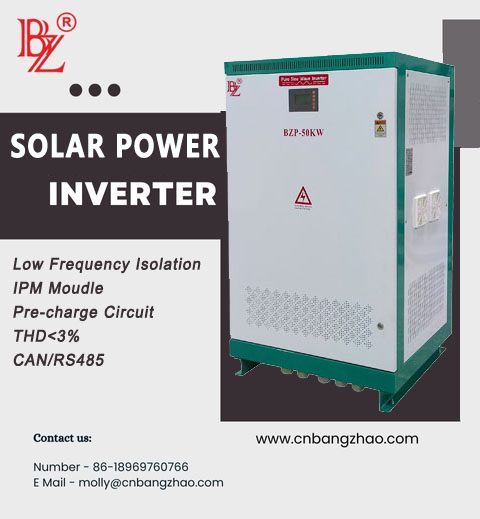
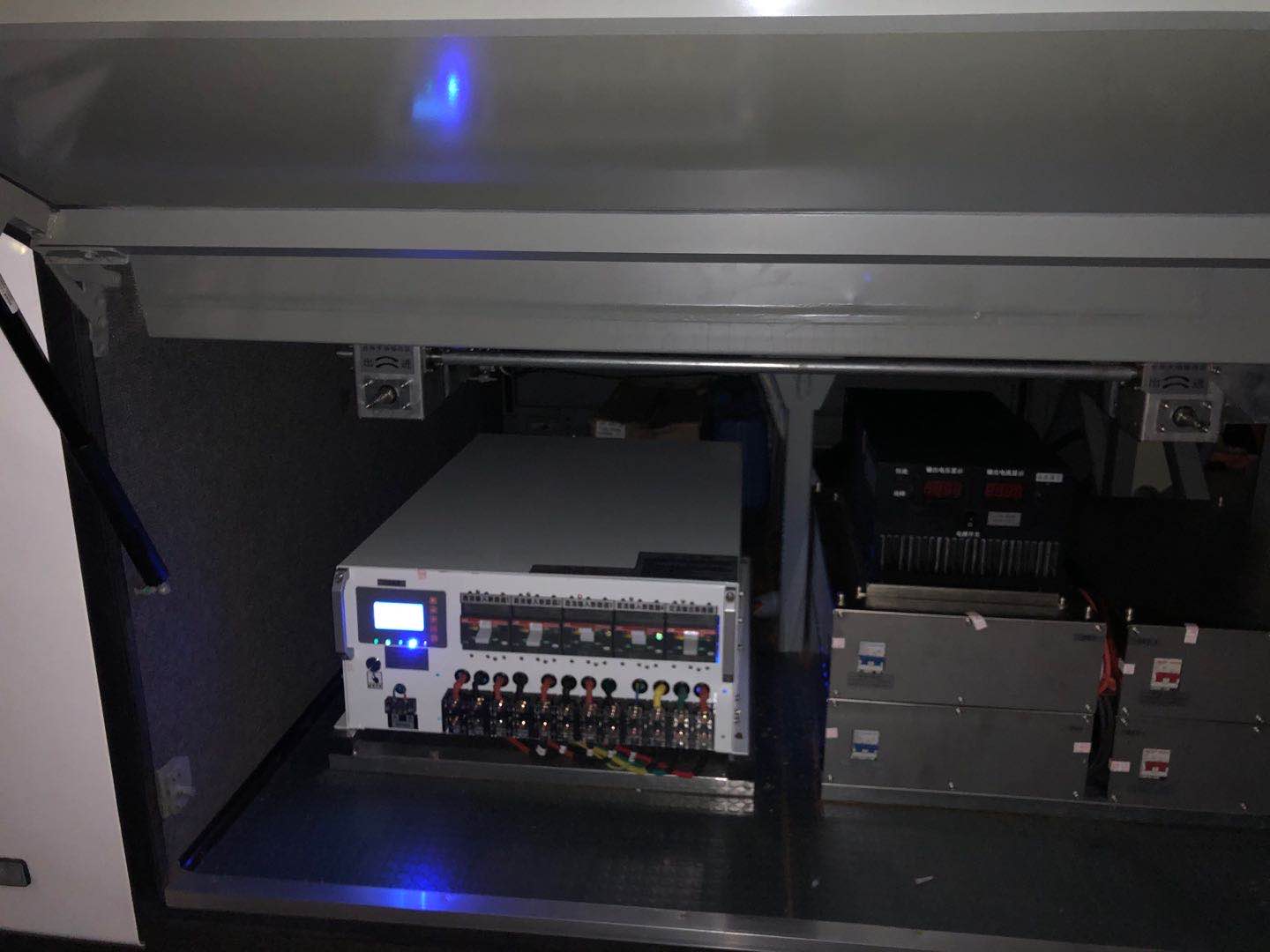
- Low Distortion Values:The THD value of Pure Sine Wave Inverters is < 3%, making them perfect for devices that are sensitive to voltage, such as precision features used in automobiles.
- Fast Transient Response: Pure sine wave inverters have response times of < 50 ms, thus preventing delicate electronics from exposure to unsafe conditions caused by sudden voltage changes.
- Consistent Voltage Output: Because of their consistent output voltage, pure sine wave inverters experience less interference when operating, creating a smoother overall performance for their connected loads.
Low-Frequency Isolation Transformer
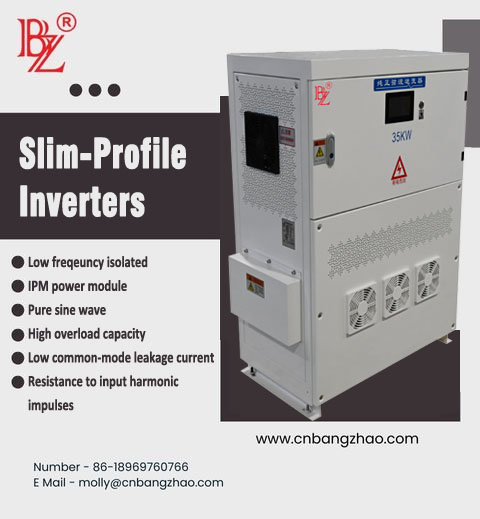
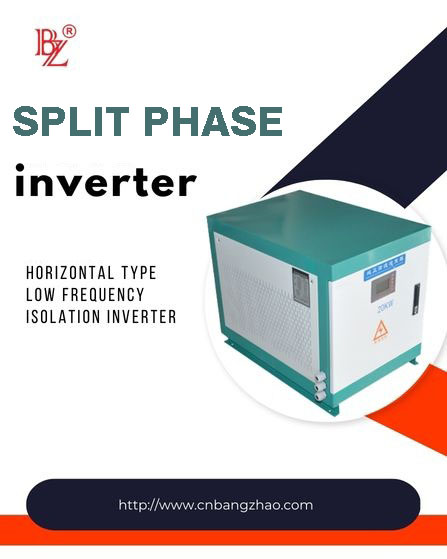
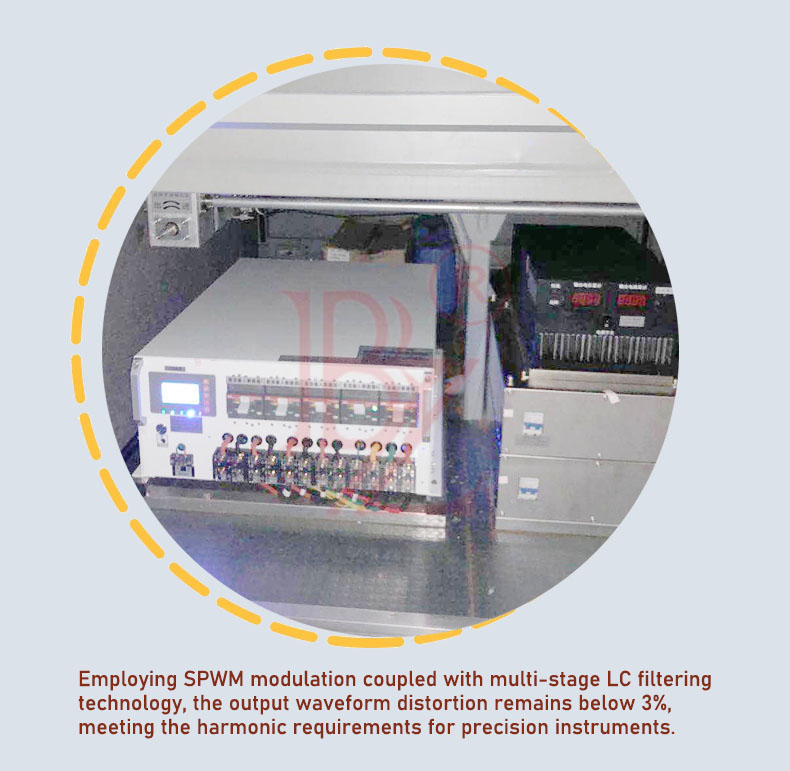
Another advanced feature to consider is whether your inverter has a low-frequency isolation transformer. A low-frequency isolation transformer can prevent 60 Hz electrical noise from affecting the output voltage of the inverter, helping to ensure safety, provide greater protection for your electrical system, and isolate the AC bus from the DC bus. In addition, if these transformers are utilized to convert alternating current (AC) to direct current (DC), they will isolate the electronic devices connected to them from disturbances caused by the interaction between the AC and DC circuits.
Is it Possible to Use a Car Inverter in a Residence?
If you have a suitable source of direct current (DC) power available to you, you can use a car inverter in your residence. However, they are an ineffective long-term means of powering appliances. Because most appliances are designed to use alternating current (AC) from utility companies or other sources that supply reliable power, relying on an oversized vehicle battery or similar power source, such as a car's alternator, as a long-term source of electricity is not recommended. Therefore, for most individuals, purchasing a dedicated inverter system for your home will be more beneficial and safer than attempting to power your household with a car inverter.
Factors to Consider When Selecting an Inverter for Your Vehicle
The following are important factors that individuals should think about prior to purchasing an inverter to ensure they are choosing the right one to power their vehicles:
- Power Requirements: Ensure that you know the devices or appliances that you intend to use with the inverter, as using an inverter designed for a laptop, for example, may not be powerful enough to operate other appliances such as a mini-fridge or coffee maker.
- Compatibility: Verify that the inverter's output voltage and connector will be suitable for your intended use. For example, certain devices have an AC outlet plug, while others include USB connections.
- Battery Size: Check the amperage rating of the inverter against what is available in your car so that it does not overload the battery.
- Safety Feature: Look for inverters that support safety features like overcurrent protection, battery backup shutoff, and cooling options to reduce the risk of misuse.
- Construction: Size the vehicle inverter so it will fit into your car without taking up available space or creating difficulty for the user when operating the inverter.
What is a Low Frequency Vehicle Inverter?
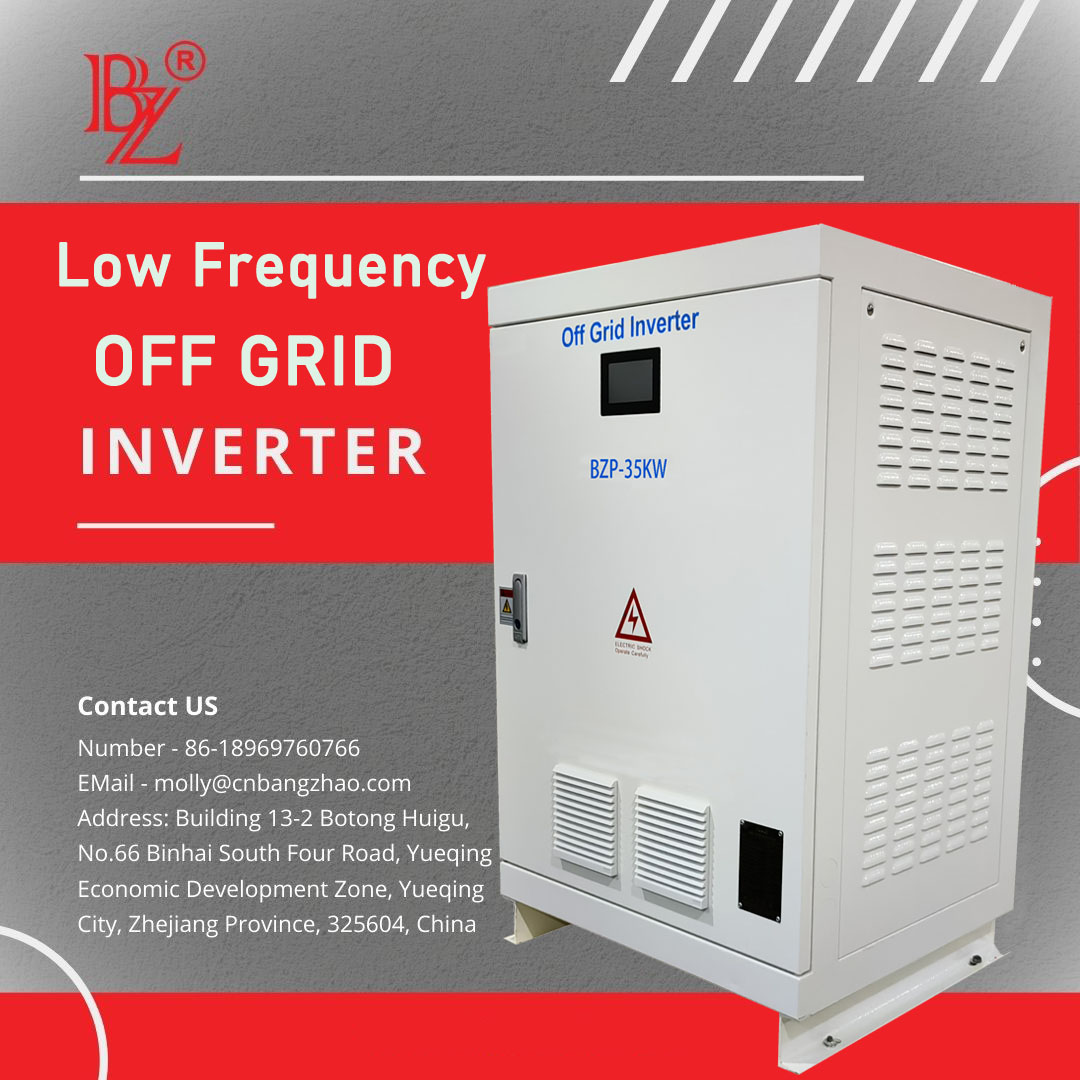
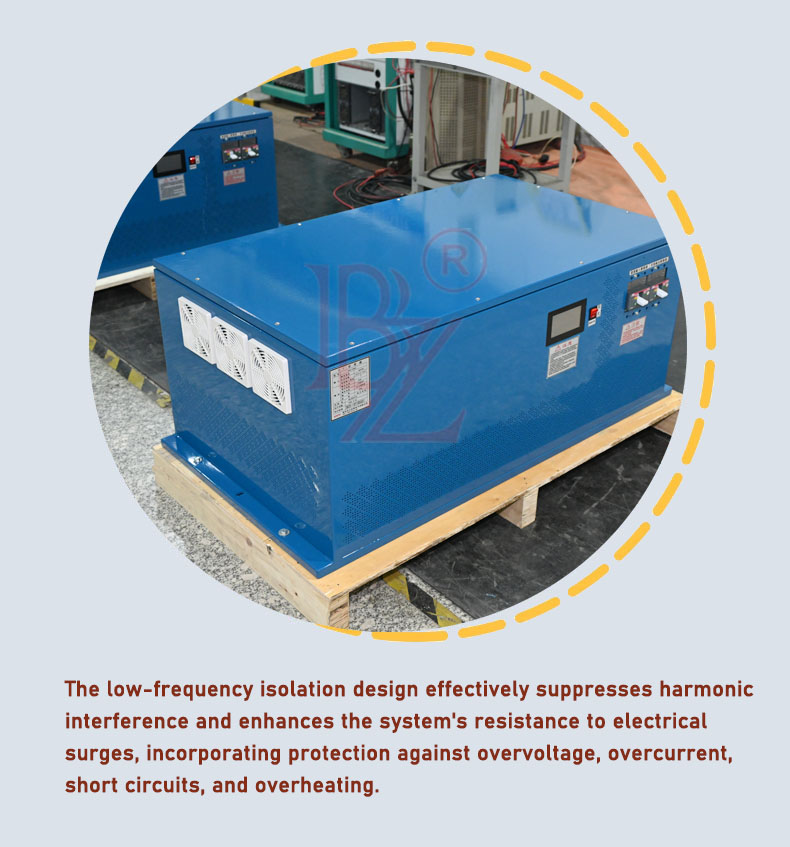
A low frequency multifunction vehicle inverter is recommended if you are concerned about getting better performance from your inverter. These types of inverters have the ability to support electric loads such as a refrigerator or motor. Low Frequency Inverters also provide reliable electric service to large equipment, since many inverters do not provide as much surge capacity or durability, allowing for quick excessive bursts of power, as low frequency models.
Conclusion
In summary, while there are practical concerns with using vehicle power inverters, such as battery drain, using a high-quality inverter properly can help reduce worry about how your vehicle's power sources will function. Vehicle power inverters utilizing low frequency isolation transformers with pure sine wave outputs provide more safety and higher performance than other types of inverters, making them more compatible with sensitive electronic devices. When looking for a vehicle power inverter, be sure to keep up with current technology trends, features, and standards for safety and capacity to maximize the value of the purchase. By understanding how to use these devices properly, you can protect your electrical system and maintain a consistent power source while driving.